

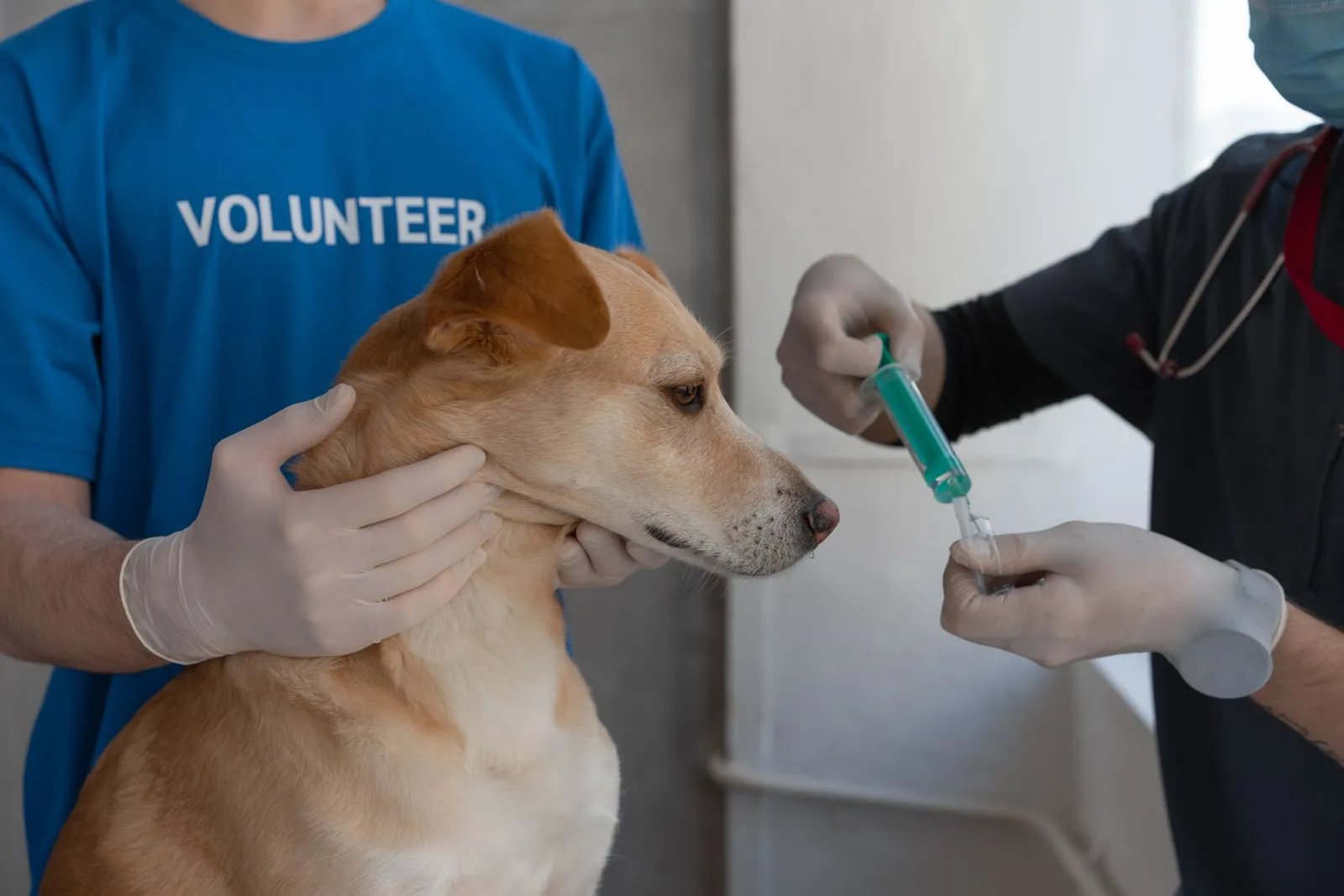
Core vaccines protect dogs and cats against serious, often life-threatening diseases and are recommended for nearly every pet. Additional lifestyle vaccines are chosen based on your pet’s risk. Vaccination starts in puppies and kittens with a series of boosters, then continues at intervals your veterinarian recommends throughout adult life.
Vaccination is one of the simplest and most effective ways to protect your pet, yet many owners are unsure which shots their dog or cat actually needs and how often. The truth is that not every pet needs every vaccine. Modern veterinary care uses a lifestyle-based approach, combining essential core vaccines with optional ones chosen for your pet’s individual risk. For Abbotsford families, understanding the difference helps you make confident, informed choices.
How vaccines protect your pet
A vaccine works by safely training the immune system to recognise a specific disease, so that if your pet is ever exposed, their body can respond quickly and effectively. This simple principle prevents illnesses that were once common and often deadly. Vaccination does not just protect your own pet, it also helps limit the spread of contagious diseases within the wider community of animals, which benefits everyone.
Core vaccines for dogs and cats
Core vaccines are recommended for virtually all pets because the diseases they prevent are widespread, severe, or a risk to public health. For dogs, core protection typically covers:
- Distemper, a serious viral disease affecting multiple body systems
- Adenovirus, which can cause infectious hepatitis
- Parvovirus, a highly contagious and often fatal illness, especially in puppies
- Rabies, which is fatal and also a human health concern
For cats, core vaccines usually protect against feline panleukopenia, feline herpesvirus, and calicivirus, along with rabies. Your veterinarian will confirm which core vaccines apply to your pet as part of their wellness program.
Lifestyle vaccines based on your pet’s risk
Beyond the core, some vaccines are recommended only for pets whose lifestyle raises their risk of certain diseases. Glenn Mountain Animal Hospital uses lifestyle-based vaccine recommendations, which means the plan is matched to how and where your pet lives. Depending on your pet, these may include protection against:
- Kennel cough (Bordetella), useful for dogs that board, attend daycare, or socialise often
- Leptospirosis, relevant for dogs exposed to wildlife, standing water, or rural areas
- Feline leukemia virus, important for cats that spend time outdoors or with other cats
Because the Fraser Valley offers plenty of outdoor adventures, your veterinarian may discuss these options during your pet’s wellness visit to decide what makes sense for your dog or cat.
The vaccination schedule
Puppies and kittens receive a series of vaccinations rather than a single dose, because the immunity passed on by their mother fades over their first months and can interfere with an early single vaccine. The series usually begins around six to eight weeks and continues every few weeks until roughly sixteen weeks of age. After that, adult pets receive boosters at intervals your veterinarian recommends, which may vary by vaccine. Keeping to the schedule ensures protection does not lapse when your pet needs it most.
Are vaccines safe?
Vaccines are very safe, and the protection they provide far outweighs the small risk of side effects. Most pets have no reaction at all, while some may be a little tired or sore at the injection site for a day. Serious reactions are rare. If you ever notice significant swelling, vomiting, or difficulty breathing after a vaccine, contact your veterinarian or urgent care promptly, as these uncommon reactions are treatable when addressed quickly. Your veterinary team can also space out or tailor vaccines for a pet with a history of sensitivity, so that protection and comfort go hand in hand.
Protecting Abbotsford pets
Staying current with vaccinations is one of the easiest ways to give your pet a long, healthy life, and it works best as part of regular preventive care. If you are unsure whether your dog or cat is up to date, or you have a new puppy or kitten, your veterinary team can review their history and build a vaccination plan suited to their age, health, and lifestyle. It is a small step with a very big payoff.
Frequently asked questions
What is the difference between core and non-core vaccines?
Core vaccines are recommended for nearly all pets because the diseases they prevent are widespread, severe, or a public health risk. Non-core, or lifestyle, vaccines are chosen based on your pet’s individual exposure, such as boarding, time outdoors, or contact with other animals. Your veterinarian will tailor the plan.
Do indoor cats need to be vaccinated?
Yes. Core vaccines are recommended even for indoor cats, because some diseases can enter the home on clothing or through an open door, and rabies protection is important. Your veterinarian may skip certain lifestyle vaccines for a strictly indoor cat, but core protection still applies.
Why do puppies and kittens need several vaccine visits?
The immunity young animals get from their mother fades over their first few months and can block a single early vaccine from working. A series of boosters, usually until about sixteen weeks, ensures lasting protection takes over as that early immunity wears off.
How often do adult pets need boosters?
It depends on the vaccine and your pet’s lifestyle. Some boosters are given yearly, others less often. Rather than guessing, your veterinarian will keep a schedule based on your pet’s history and risk, so protection stays current without unnecessary vaccines.