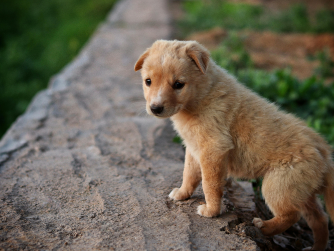
Abbotsford’s network of parks and trails makes spring an exciting season for dog owners in the Clearbrook area and beyond. Mill Lake Park, Discovery Trail, and the paths near Matsqui Prairie attract dog walkers as the weather warms through April. Along with longer daylight and milder temperatures, spring also brings increased activity from ticks, exposure to leptospirosis through standing water, and the reappearance of slug bait in local gardens. Preparing for these seasonal hazards before your next outing helps your dog enjoy the outdoors safely. Glenn Mountain Animal Hospital supports Abbotsford dog owners with veterinary care in Abbotsford and seasonal guidance tailored to your dog’s lifestyle.
Tick Activity and Trail Hazards in the Fraser Valley
Ticks become active in the Fraser Valley as temperatures climb above four degrees Celsius, and April brings prime conditions for encounters on Abbotsford trails. Dogs that walk through tall grass, brush along trail edges, or explore wooded areas near Mill Lake Park or Discovery Trail face increased exposure. Ticks attach to a dog’s skin, often settling around the ears, neck, armpits, and between the toes.
After every outdoor walk, run your hands slowly over your dog’s entire body to check for small, firm bumps. If you find a tick, contact your veterinarian for guidance on safe removal. Starting a parasite prevention in Abbotsford plan in April, before tick activity peaks, helps protect your dog consistently through the spring and summer months. Your veterinarian can recommend the right preventive approach based on how much time your dog spends outdoors and which trails you visit most.
Leptospirosis and Standing Water Risks in Abbotsford
Leptospirosis remains a year-round concern in BC, and Abbotsford’s agricultural landscape and proximity to creeks, ditches, and farm runoff increase the relevance for local dog owners. The bacteria spread through standing water contaminated by wildlife such as raccoons, deer, and rodents. Dogs that drink from puddles, wade through ditches, or explore marshy areas along the Clearbrook creek corridors may encounter contaminated water without their owner realizing it.
Spring rain increases the amount of standing water across the Abbotsford area, making April a particularly relevant time to discuss leptospirosis prevention with your veterinarian. Dogs that frequent trails, farms, or rural properties in the Mission, Aldergrove, or Chilliwack areas face similar considerations. Nutrition counselling in Abbotsford guidance from your veterinarian can also support your dog’s immune health alongside a preventive care plan. Keeping your dog away from stagnant water sources during walks reduces exposure.
Slug Bait, Coyotes, and Other Outdoor Concerns
Slug bait containing metaldehyde appears in gardens across Abbotsford year-round, but spring gardening season increases the amount of product in use. Dogs that investigate garden beds or eat unfamiliar items on walks may encounter these pellets. Store all slug bait and gardening chemicals in sealed containers on high shelves, and consider pet-safe alternatives for your own property.
Coyotes remain active in Abbotsford year-round, particularly near green spaces, creek corridors, and the edges of agricultural land near Clearbrook. Keep your dog on a leash during walks, especially at dawn and dusk when coyotes are most active. Skunk encounters also increase from March through November in the Fraser Valley, and a face-to-face meeting on the trail can cause significant eye and skin irritation. Carrying your phone and knowing your veterinarian’s number gives you a quick line of support if something unexpected happens on a spring walk near Delair Park or along McMillan Road.
| FREQUENTLY ASKED QUESTIONS |
Q: When does tick season start in Abbotsford?
A: Ticks become active when temperatures rise above four degrees Celsius, which can happen as early as March in the Fraser Valley. April marks the beginning of consistent tick activity on local trails. Starting preventive care before peak season gives your dog reliable protection.
Q: How do I check my dog for ticks after a trail walk?
A: Run your hands slowly over your dog’s entire body, focusing on the ears, neck, armpits, belly, and between the toes. Ticks feel like small, firm bumps. If you find one, contact Glenn Mountain Animal Hospital for guidance on safe removal.
Q: What is leptospirosis and should I be concerned in Abbotsford?
A: Leptospirosis is a bacterial concern spread through standing water contaminated by wildlife. Abbotsford’s agricultural setting, creeks, and ditches increase relevance for local dogs. Your veterinarian can discuss preventive options during your pet’s next visit.
Q: Is slug bait dangerous for dogs?
A: Slug bait containing metaldehyde is widely recognized as a serious risk for dogs. Even small amounts can cause concern. Store all slug bait products securely and consider pet-safe alternatives. If your dog ingests slug bait, contact your veterinarian immediately.
Q: Are coyotes a concern for dogs in the Clearbrook area?
A: Coyotes remain active year-round in Abbotsford, especially near green spaces, creek corridors, and agricultural edges. Walking your dog on a leash and avoiding dawn and dusk outings in known coyote areas reduces the risk of an encounter.
Q: Which Abbotsford trails should I be most careful on with my dog in spring?
A: Any trail with tall grass, standing water, or wooded edges carries increased tick and wildlife exposure in spring. Mill Lake Park, Discovery Trail, and paths near creeks require extra attention. Check your dog for ticks after every walk and keep your dog on designated paths.
| Keep your dog safe on Abbotsford trails this spring. Call Glenn Mountain Animal Hospital in Clearbrook at (604) 852-3030 to discuss tick prevention, leptospirosis, and seasonal outdoor safety for your dog. |
Published by the team at Glenn Mountain Animal Hospital.
| This article is for general educational purposes only and does not constitute veterinary advice. Always consult a licensed veterinarian before making decisions about your pet’s health. If you have concerns, contact Glenn Mountain Animal Hospital at (604) 852-3030. |